
Your brain has limited capacity for holding decisions in queue. Each pending choice consumes mental resources, even when you’re not consciously thinking about it. Claude doesn’t replace your judgment. It frees it.
What does «externalizing decisions» mean?
Externalizing isn’t just delegating. It’s using a tool to process the information you need before deciding. Claude analyzes options, structures pros and cons, identifies biases, and presents you with a clear picture. The final call is always yours. But it arrives faster and with better information.
3 scenarios where Claude acts as your second brain
1. Decisions with many variables
Imagine choosing between three vendors. Each has different pricing, timelines, quality, and terms. Your brain starts comparing, loses details, and biases toward the cheapest option. Claude can create a decision matrix in seconds, weight criteria, and show which option wins under each weighting.
Example prompt: Compare these 3 vendor options using these weighted criteria: price (30%), timeline (25%), quality (30%), support (15%). Here's the data: [data]. Which do you recommend and why?
2. Decisions that require research
Before choosing a tool, strategy, or approach, you need to understand the landscape. Claude can summarize market options, list pros and cons, and flag what you should verify yourself. It’s not a substitute for research. It’s an accelerator.
Example: I want to migrate my blog from WordPress to a static generator. What are the main options, advantages of each, and risks I should consider?
3. Decisions with emotional weight
When a decision triggers anxiety, your brain seeks shortcuts: avoidance, post-hoc rationalization, or analysis paralysis. Claude has no emotions. It can help you separate the rational from the emotional, articulating what you already know but won’t admit.
Example: I've been thinking about changing jobs for 6 months. I'm afraid of losing stability but feel stuck. Help me separate the real factors from irrational fears.
How to set up Claude as your second brain
- Define your recurring decision areas: hiring, purchases, strategy, prioritization. These are the domains where Claude adds the most value.
- Create prompt templates: for each decision type, have a base prompt that already includes your criteria and values. Don’t start from scratch every time.
- Feed context: before asking for a decision, give Claude the relevant context. Goals, constraints, precedents. More context, better analysis.
- Ask for alternatives: always ask what option haven’t I considered? Claude can suggest paths your confirmation bias ignores.
- Verify, don’t obey: Claude can be wrong. Use its analysis as a starting point, not a final verdict.
What Claude does NOT do
It doesn’t make the decision for you. It doesn’t have access to information you don’t provide. It doesn’t replace your experience or intuition. What it does is free mental space so your judgment operates with more clarity and less fatigue.
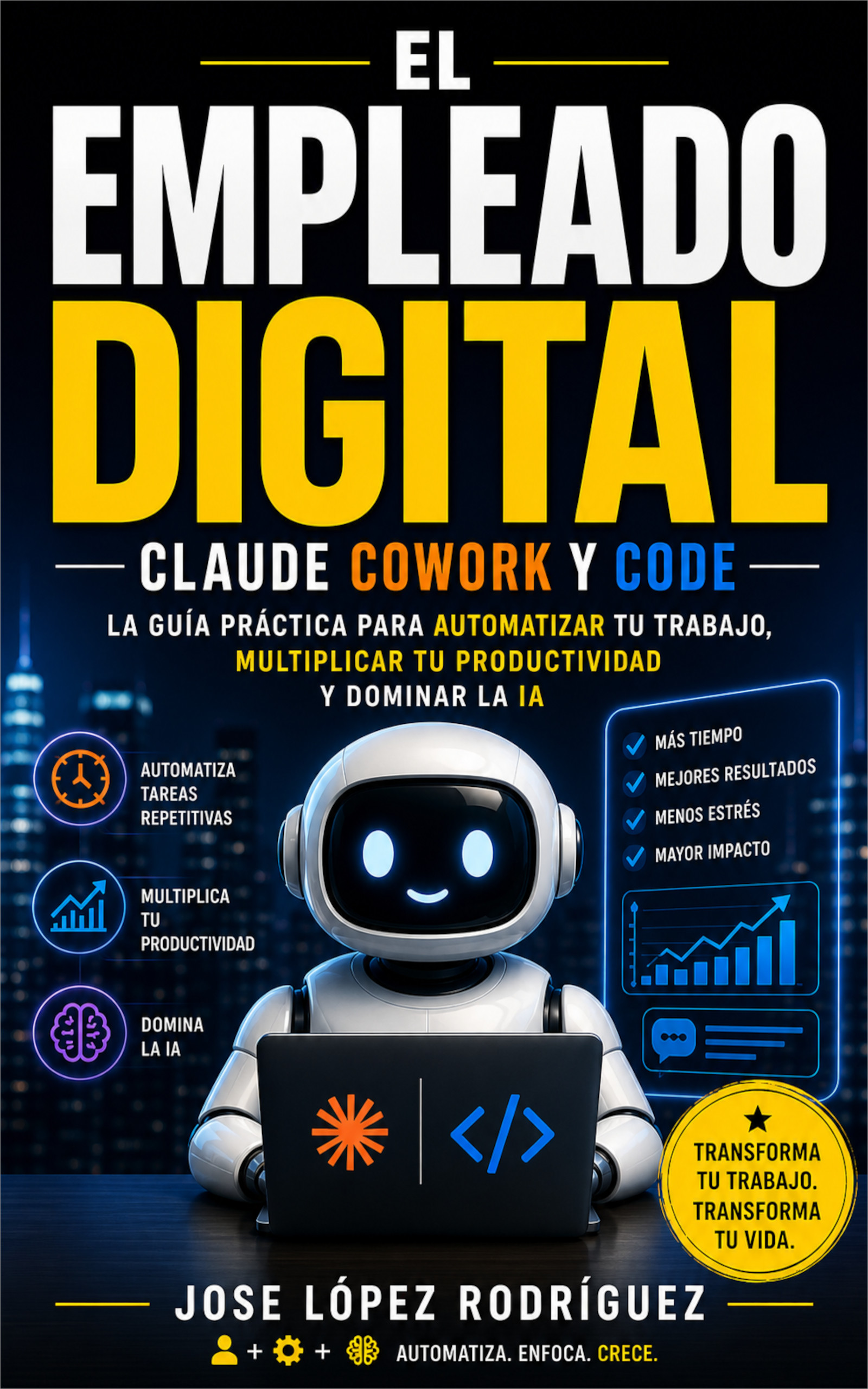
The complete guide with everything you need, step by step.
Buy on Amazon
📖 More resources in our network: MargaPress · MargaBooks · MargaLab · CursoTutorial